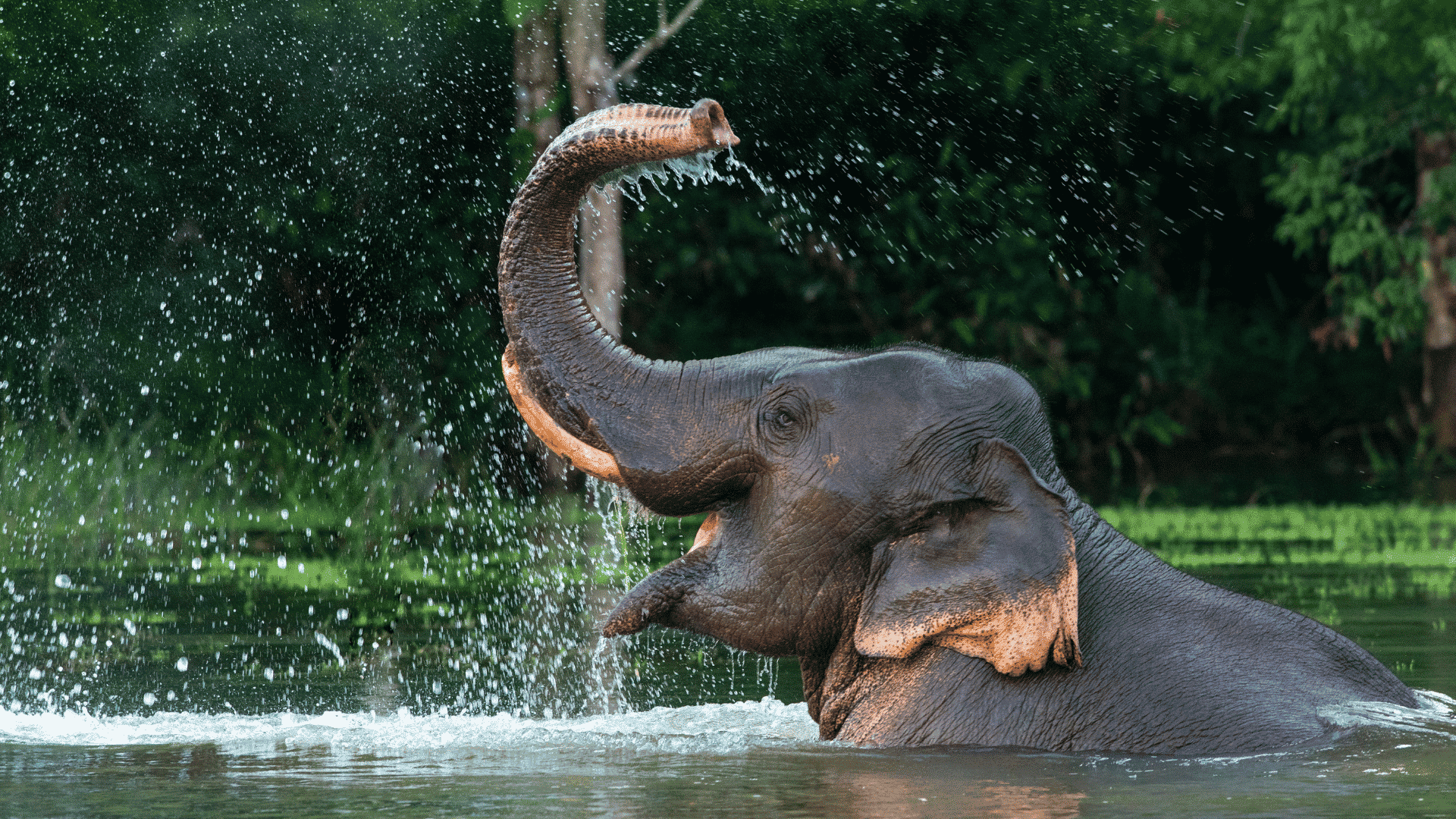
Asian Elephant & Environmental Conservation in Thailand




What’s included

Accommodation & Amenities

24/7 Support

Transportation

Certification
€1,975 for 1 week
Trip Overview

Monitor Asian Elephants
Track and observe rescued Asian Elephants as they are rehabilitated into a semi-wild environment under the guidance of local caretakers (mahouts).
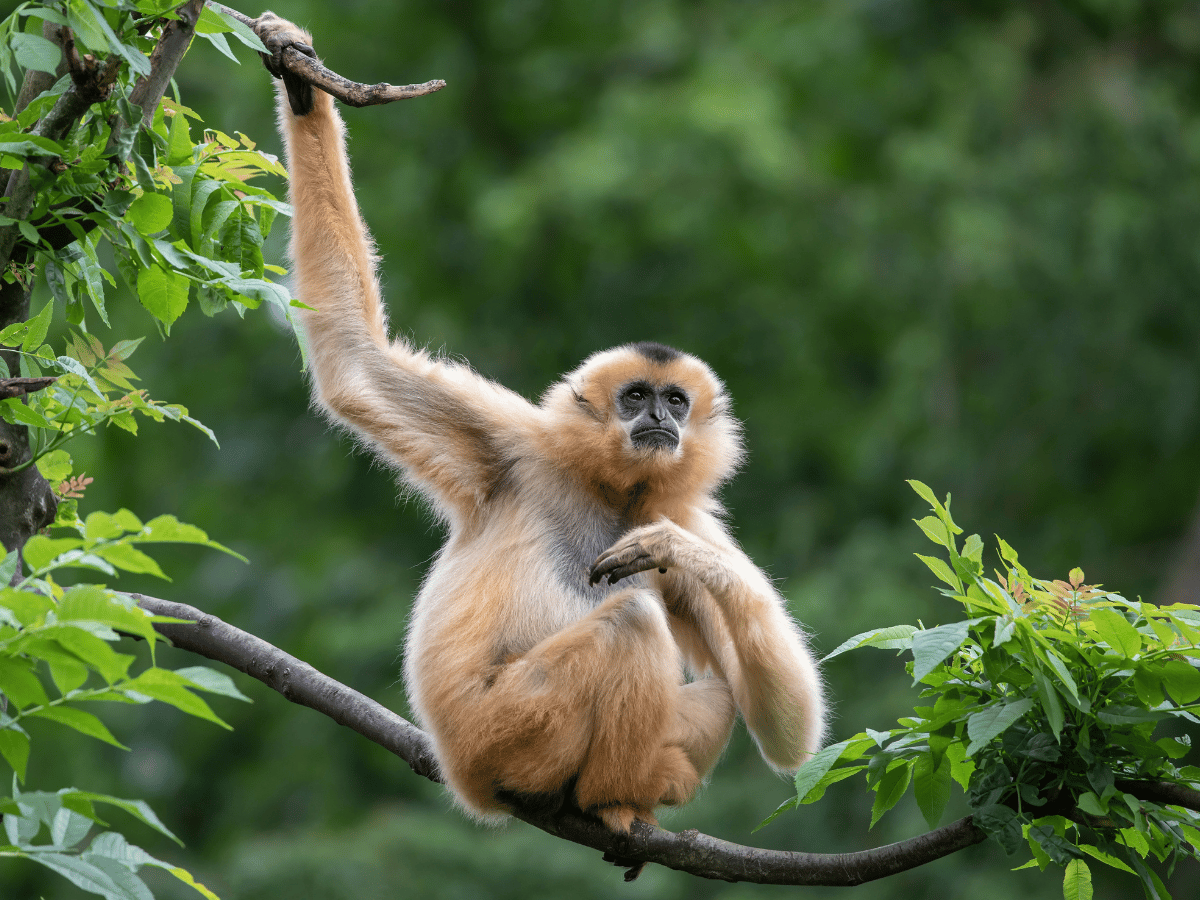
Survey mountain wildlife
Conduct vital research in the mountain forests of Thailand, including surveys of gibbons, amphibians, birds, and reptiles to monitor biodiversity.

Teach English to local villagers
Work alongside locals in Huay Pakoot by delivering English lessons, environmental education workshops, and plastic-recycling sessions.
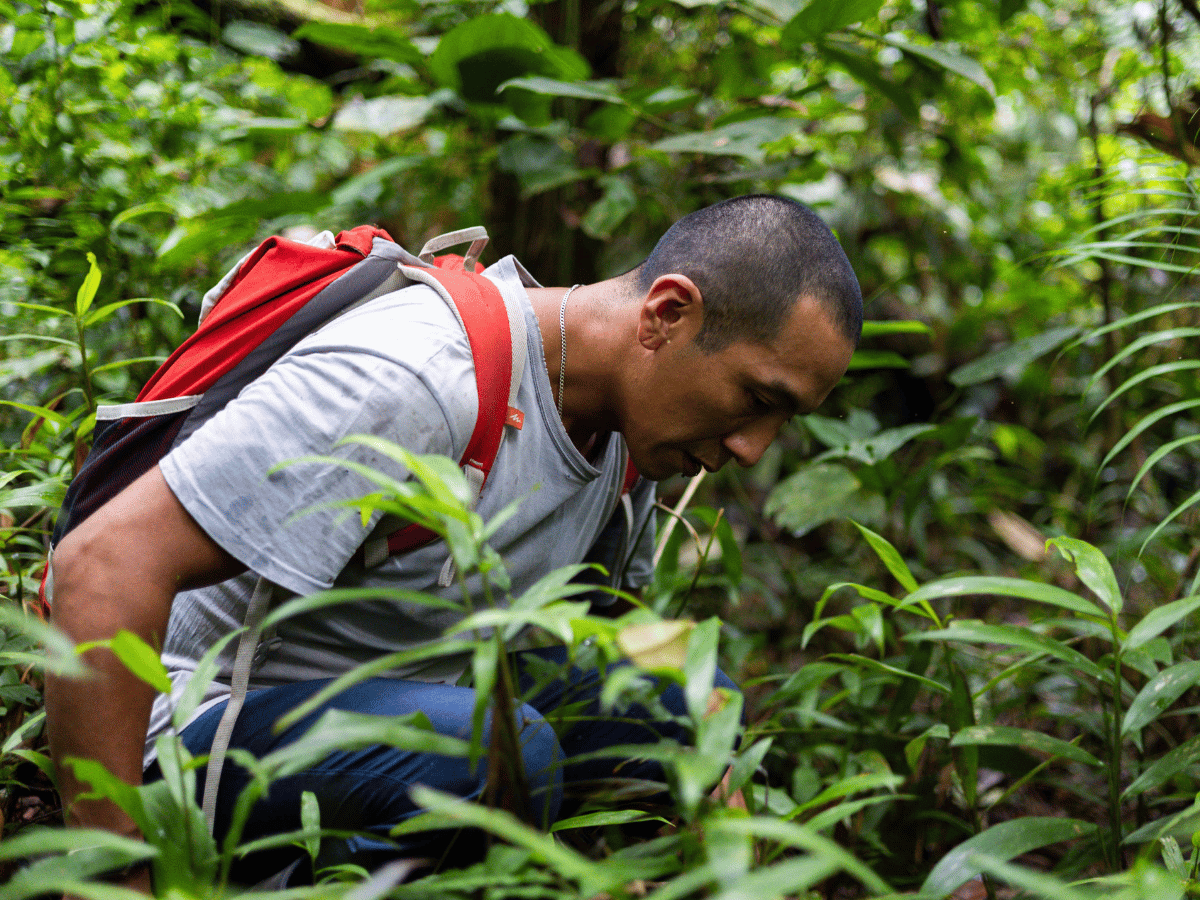
Develop key skills
Build your knowledge of conservation fieldwork and develop personal skills like confidence while guided by our local staff. No experience needed.

Experience authentic Pakinyaw culture
Live with a local host family, learn the basics of the Pakinyaw language, and discover traditions dating back several hundred years.
What you need to know
Overview
Are you passionate about ethical wildlife welfare and protecting endangered rainforest habitats? Join our elephant and gibbon protection project in Thailand to contribute to responsible, long-term conservation in the stunning mountain forests of Chiang Mai Province, northern Thailand.
This is a rare opportunity to study elephants transitioning from captivity back into their natural habitat – an incredibly rewarding experience. All you need is enthusiasm, a good level of fitness for forest trekking, and a commitment to ethical animal care. A love of elephants helps, too!
You’ll live deep in the mountains, working alongside indigenous Pakinyaw mahouts (ancient elephant caretakers and guides) to observe Asian Elephants that have been rescued from commercial tourism camps and reintegrated into their natural habitat.
This project is ideal for anyone looking to gain practical field experience in conservation and expand their global perspective. No matter how long you choose to volunteer, you’ll build upon the work of previous volunteers while developing valuable skills for your CV in biological survey techniques, field data entry, and community engagement.
You don’t need any previous experience in wildlife research or conservation to take part. Our expert team provides complete species-identification training, survey preparation, and continuous guidance throughout your stay.
A Day in the Life
This elephant rehabilitation work is as varied as it is rewarding, and every day will bring a new experience as you monitor them and their ecosystem.
In the morning, you may head out into the forests under the guidance of local conservationists to collect data on wild elephants and biodiversity in the area. If it’s a more community-focused day, you could head to a nearby school to teach English, play football, or assist with renovations.
In the afternoon, you might attend a local workshop to learn about and discuss conservation techniques or animal tourism. You may also join the community to learn about traditional crafts handed down through generations, including jewellery making, crafting bamboo cups, or learning about the local religion.
You could spend your evenings immersing in the village culture, learning about Pakinyaw traditions and their ancient history with local elephants. Or, you could relax with your host family, share stories and knowledge, and listen to the sounds of the wildlife as the sun sets.
Activities
As a conservation volunteer, you’ll learn from professional conservationists in the mountain forests of northern Thailand. You’ll conduct observational conservation work with Asian Elephants while also working to protect the local ecosystem.
Here are some of the tasks you can expect to do during your placement, depending on the needs at the time:

Elephant data collection
Assist with elephant surveys to collect behavioural, welfare, and reintegration data, allowing conservationists to better understand how the elephants in the region are behaving, adapting, and moving around their new environment.

Gibbon surveys
Assist with monitoring wild gibbon populations through field surveys and behavioural observations. The data you collect will contribute towards ongoing research and conservation efforts that will support local primate populations and their habitats.

Camera trapping
Learn how to set up and operate camera traps, providing researchers with valuable insights into animal populations and behaviour when they are unable to observe directly. Record movement, feeding habits, and family groups in their natural habitats.

Conservation workshops
Get expert training in local ecology, conservation methodology, and ethical wildlife monitoring techniques to apply both on this project and in future. Find out why conservation efforts are getting increasingly important both locally and globally.

Community education
Deliver and support educational conservation sessions for local communities, raising awareness of wildlife conservation, biodiversity protection, and sustainable resource management. Also, teach English and sports to children in local schools.
Conservation volunteering is fundamental to the protection of our natural world. Your work supports vital conservation efforts in this delicate ecosystem and collects important data on the creatures who call it home. The most rewarding aspect, though, is helping the rehabilitation efforts of elephants that have not lived in the wild for a long time.
Join a conservation volunteering project to create a world in which people and the planet can thrive.
Aims & Impact
While on this project, you will actively contribute towards three long-term, sustainable objectives:
- Protect and monitor rescued Asian Elephants living semi-wild in their natural habitat through observation-only research.
- Safeguard forest biodiversity by collecting continuous survey data on species such as the Lar Gibbon, local birds, reptiles, and amphibians.
- Empower the Huay Pakoot villagers through sustainable ecotourism income, environmental workshops, and educational support.
Asian Elephants across Thailand have been subject to habitat loss and poor welfare conditions in tourism camps for several decades. This project addresses these issues by supporting community programmes focused on controlled rehabilitation.
We utilise the expert knowledge of local Karen mahouts, who have lived side-by-side with elephants as their caretakers for more than 1,000 years. Their knowledge, passed down through generations, guides these rehabilitation efforts and allows them to continue their traditions while receiving fair compensation and avoiding invasive tourism practices, like riding or feeding.
Additionally, the forest ecosystem has faced fragmentation through human development, which can affect the overall health of the ecosystem. That’s why you’ll actively monitor wider biodiversity, collecting critical data on local species like the Lar Gibbon.
Lastly, you will work closely with the local community to spread awareness of these conservation initiatives and teach English to improve future prospects.
Safety & Staff Support
Your safety and security is our prime concern. We have many procedures and systems in place to ensure you have all the support you need travelling abroad.
Our Projects Abroad staff are available 24/7 to provide support and guidance. They will also make sure you feel comfortable and safe at your placement and accommodation.
Find out more about safety and backup.
This placement is fully researched, safety audited, and risk assessed in accordance with the British Standard BS8848 for the Adventure Travel Sector.
Map & Location
From the jungle mountains of the north to the busy, tourist hotspots of the south, Thailand is full of wonder just waiting to be discovered. Glittering temples, lush jungles, and some of the best dive spots in the world — what’s not to love?
Huay Pakoot
Located in the Chiang Mai Province, five hours west of Chiang Mai city, Huay Pakoot is a hilltop village home to the indigenous Pakinyaw (sometimes called “Karen”) community. Set high in the mountains, this remote village offers a calm, scenic atmosphere surrounded by dense forest valleys.
Life here is centred around traditional village customs and deep cultural ties to nature, especially the Asian Elephant. The local caretakers, called Mahouts, share a deep bond with these majestic animals.
Food & Accommodation
For your first night in Chiang Mai, you will stay in shared accommodation. After that, you’ll have a private room with a personally vetted Karen host family in Huay Pakoot. Your accommodation will be clean, safe, and basic, featuring cold running water, comfortable bedding, and mosquito nets.
Living in a family homestay offers an authentic cultural experience, giving you a unique glimpse into local customs, traditions, and daily mountain life. It will also allow you to understand their traditions and the historic bond with elephants on a much deeper level.
All main meals are provided at the central research station, prepared fresh by our project cooks. The menu is mostly vegetarian and vegan, using fresh ingredients sourced from local farms.


Your Arrival Made Easy
When you arrive at your respective airport, a member of Projects Abroad staff will be there to meet you. You can find more detailed information on arrival airports, orientation, and visas on our Thailand Arrival Procedures page.

Book your adventure
€1,975 for 1 week

Call +353 (0)1 571 5080 to connect with your Project Expert for free personal advice and support.
Still got questions? We’re happy to help!
You may also like
-
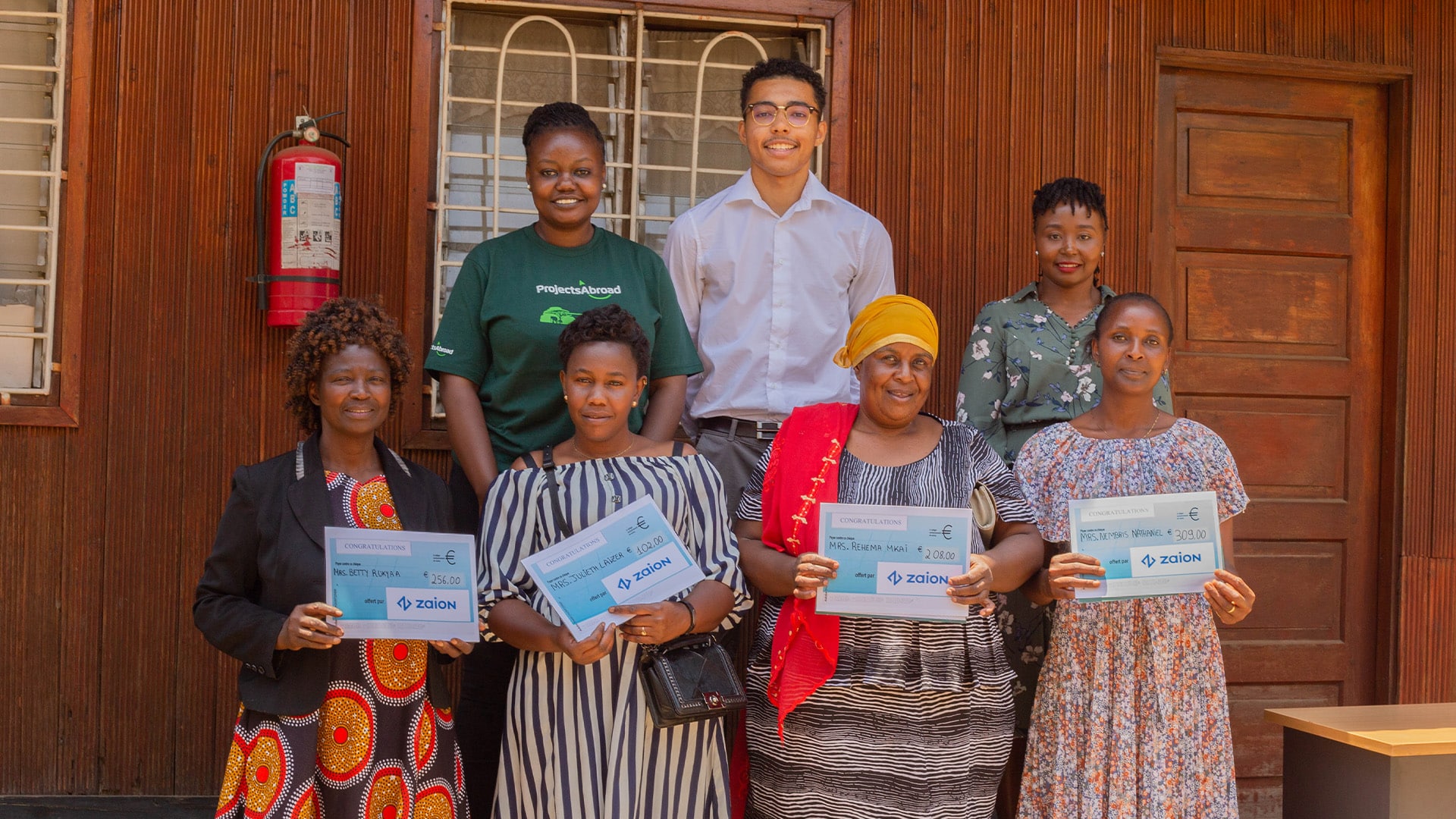
Micro-finance Internship in Tanzania
Available: AnytimeView details€1,950 for 1 week
Extra Week:€370 : Micro-finance Internship in Tanzania
 -

Marine Conservation Volunteering in Thailand
Available: AnytimeView details€3,345 for 2 weeks
Extra Week:€720: Marine Conservation Volunteering in Thailand -
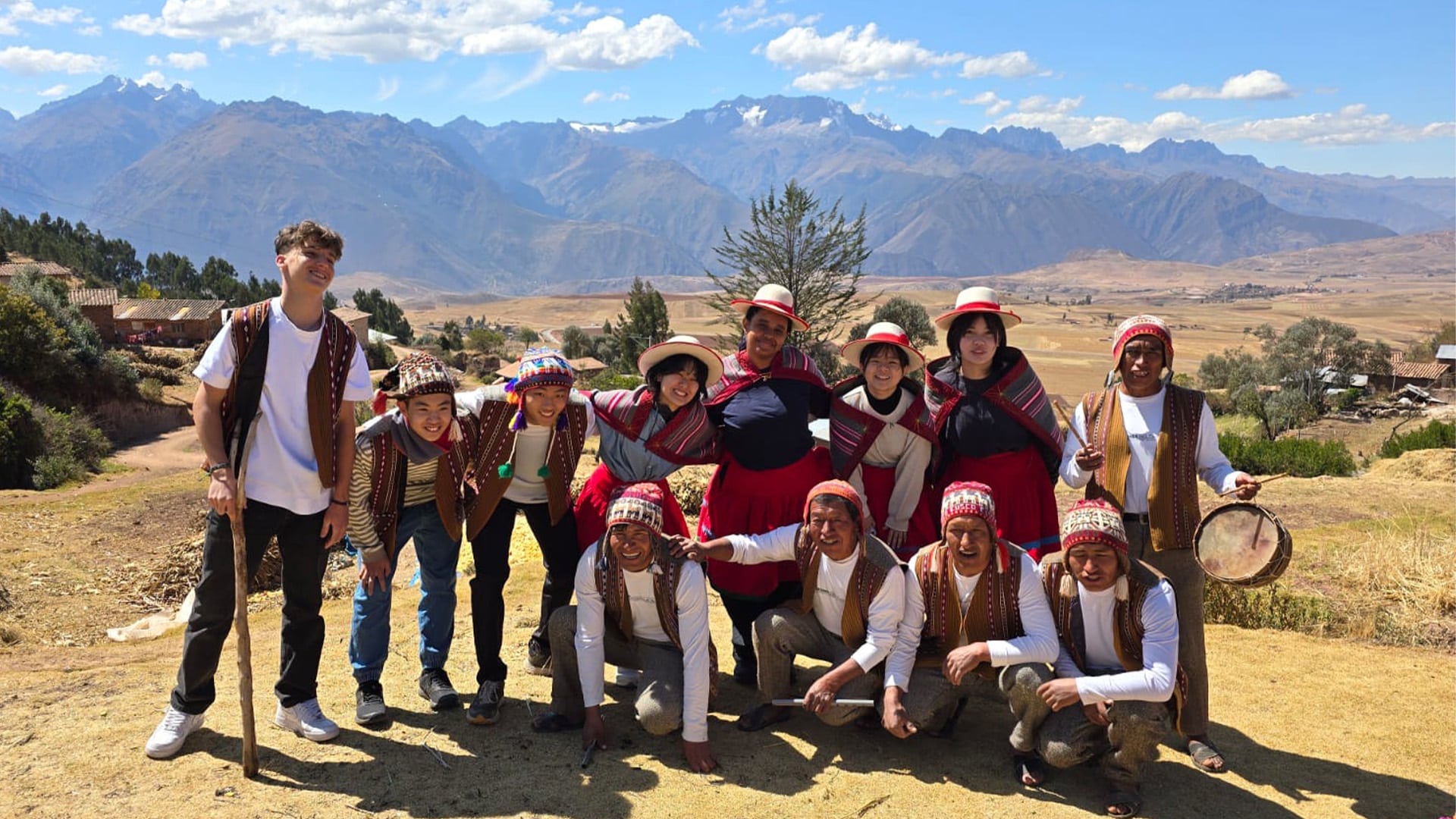
Archaeology in Peru as a Group
Available: During school holidaysView details€2,845 for 2 weeks
Extra Week:€520: Archaeology in Peru as a Group -
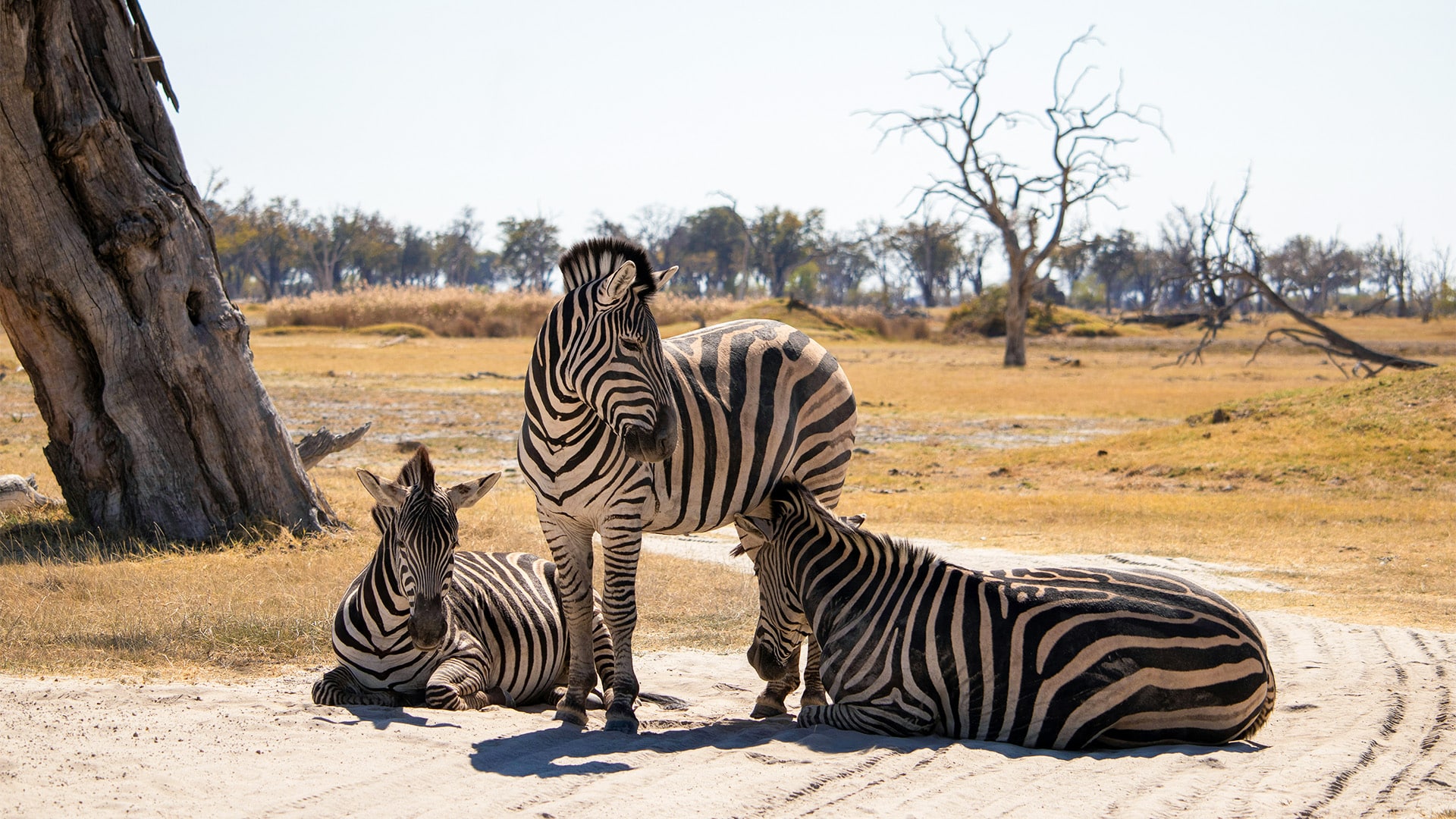
Wildlife Conservation Volunteering in Botswana
Available: July and AugustView details€2,570 for 2 weeks
Extra Week:€720: Wildlife Conservation Volunteering in Botswana -

Medicine Internship in Mongolia
Available: AnytimeView details€1,675 for 1 week
Extra Week:€395: Medicine Internship in Mongolia